
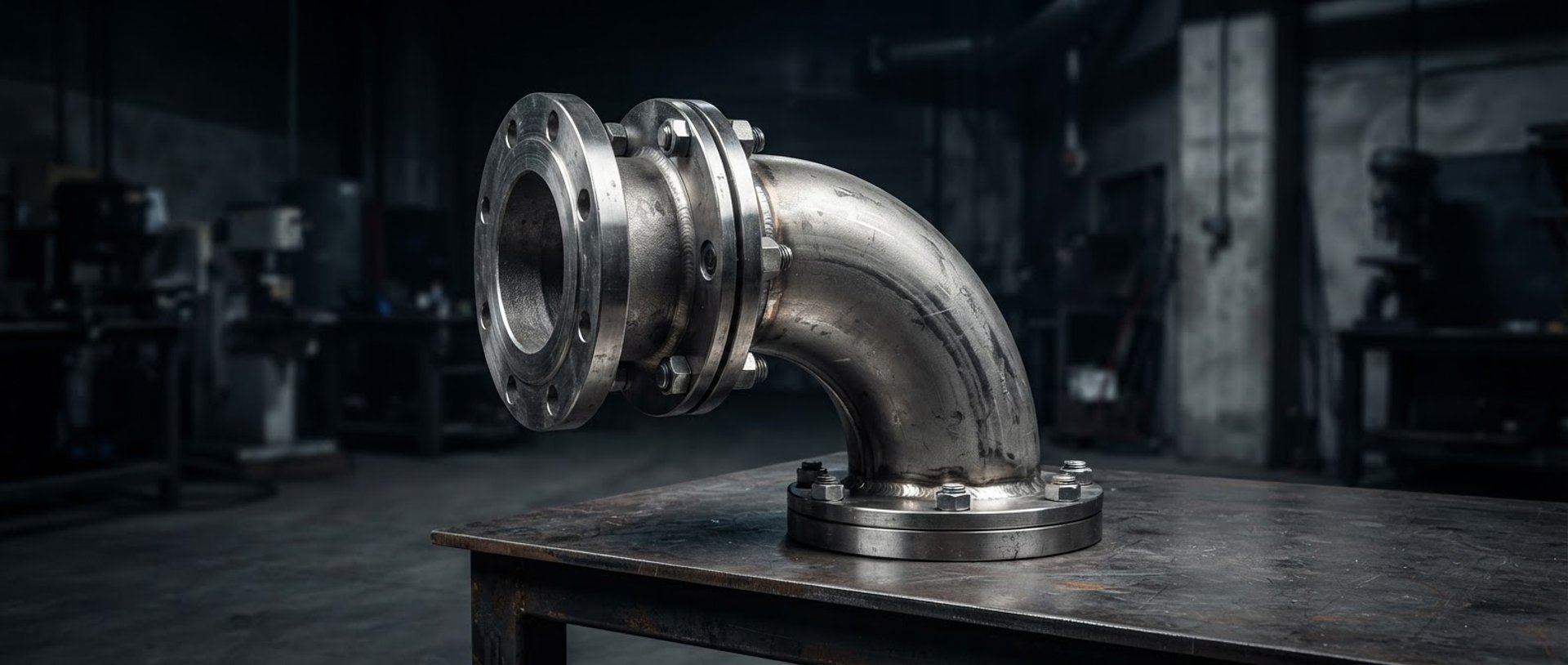
Engineering the Wear-Deflecting Flow Path
Polimak pneumatic conveying elbows utilize proprietary geometries and advanced linings to eliminate pipeline blowouts and minimize material degradation.
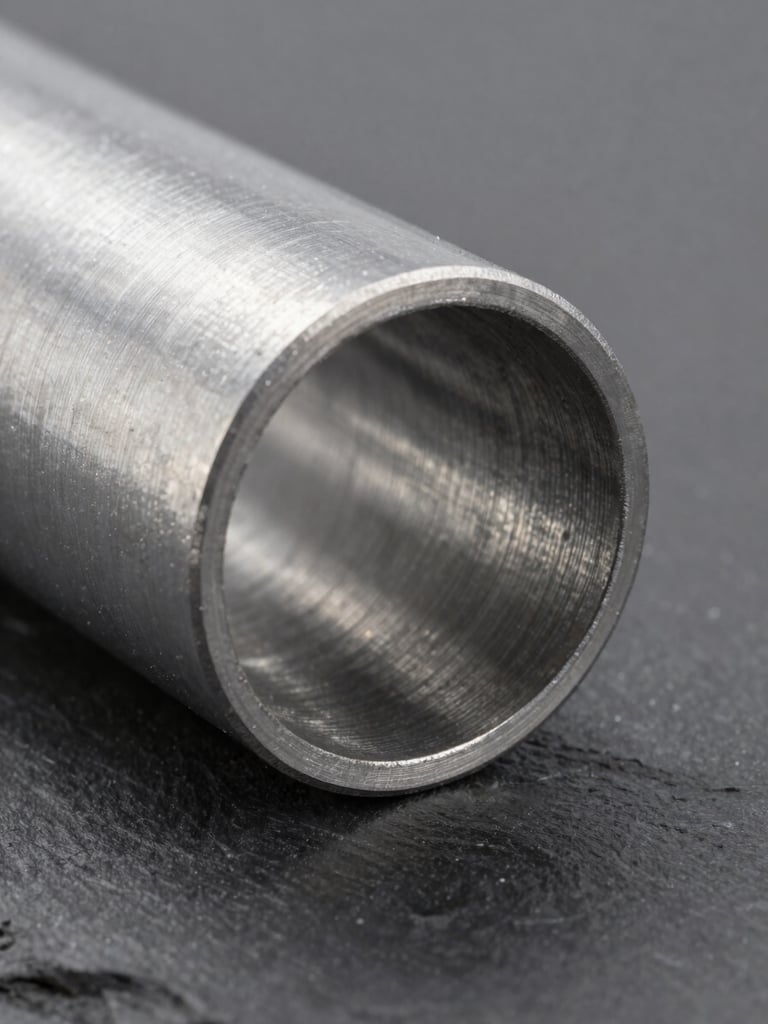
The Self-Protecting Vortex Chamber
Our proprietary pocket geometry traps a small portion of the conveyed material, creating a dense, rotating cushion. Incoming high-velocity particles impact this static boundary layer instead of the steel wall, completely neutralizing erosive wear.
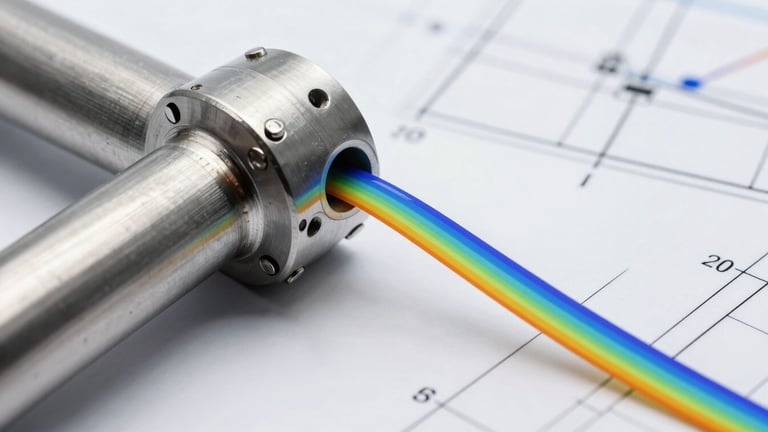
Computational Fluid Dynamics
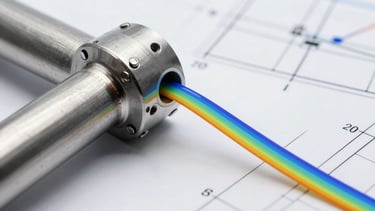
Every elbow radius is engineered using advanced CFD simulation to minimize pressure drop and prevent material degradation while maintaining continuous, high-velocity plant throughput.
Standard short-radius elbows cause extreme turbulence, leading to localized wear and immediate blowout risks. Our optimized flow paths distribute impact forces evenly across the curved surface.
Alumina Ceramic Armor
92%
Alumina Content
For the most abrasive bulk solids like cement, fly ash, and quartz sand, we line high-wear zones with high-purity alumina ceramic tiles. This diamond-hard barrier extends pipeline lifespan up to ten times.
Engineered with fine-grain crystalline structures to resist high-velocity sliding abrasion.
Polimak
Heavy-duty pneumatic conveying bends engineered to eliminate pipeline blowouts.
SYSTEMS
Home
Models
Technology
Materials
RFQ
TECHNICAL INQUIRIES
sales@polimak.com
Technical Support: +90 312 3540976
Factory: Ankara, Türkiye
© 2026 Polimak-Industrial wear solutions since 1982.
ENGINEERED FOR ZERO DOWNTIME